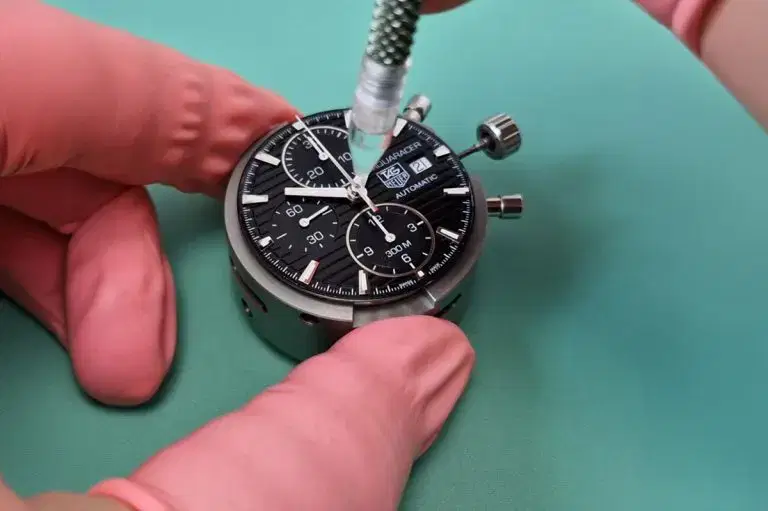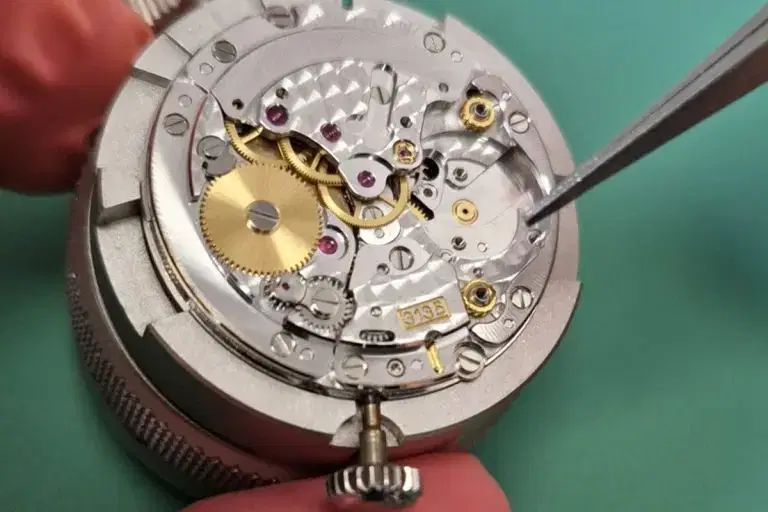
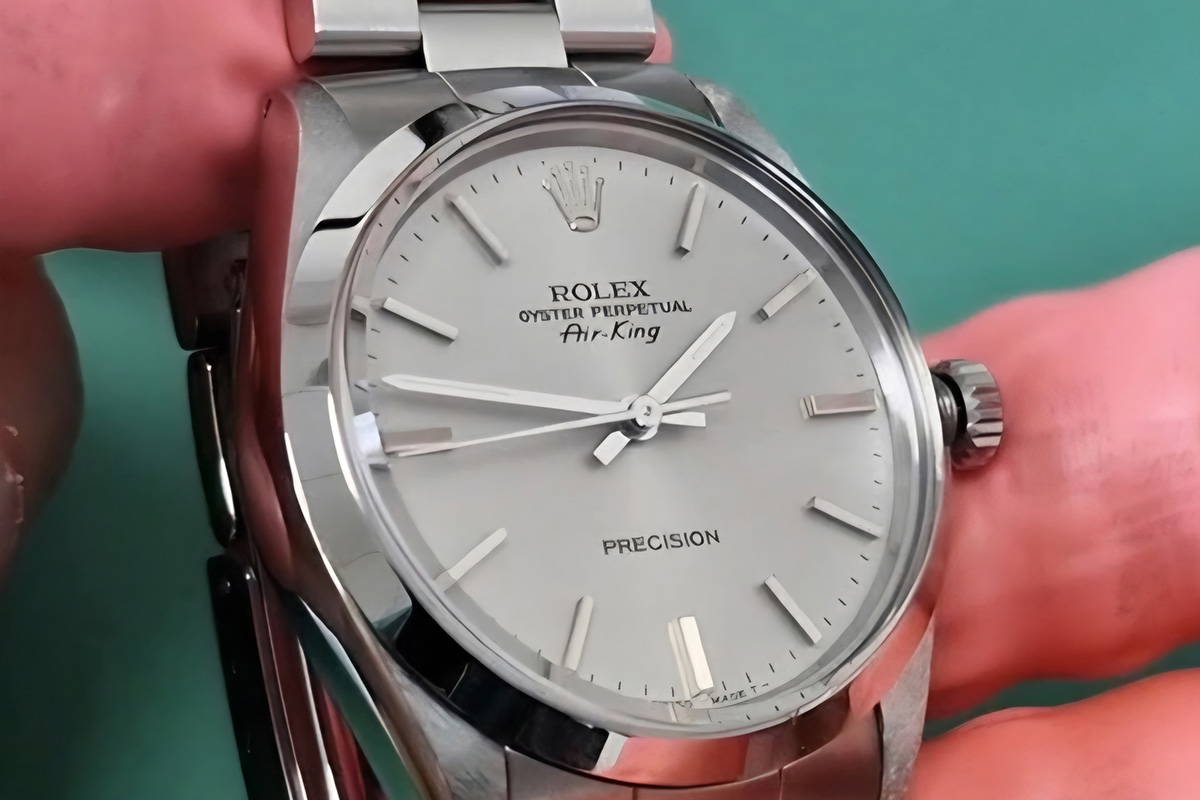
Is your timepiece losing time or feeling stiff? Discover 5 crucial signs your mechanical watch requires professional servicing to preserve its precision movement, power reserve, and long-term value.
A mechanical watch is a masterpiece of micro-engineering, housing hundreds of tiny gears, springs, and bearings working in synchronized harmony. However, like any high-performance instrument, it relies on specialized lubricants and tight tolerances that degrade over time. Ignoring key warning signs can lead to severe component wear and costly repairs. Here are 5 tell-tale signs that it’s time to send your watch to a professional watchmaker.
1. Significant loss or gain in accuracy
While mechanical watches naturally fluctuate by a few seconds per day, a sudden shift in accuracy is the most common indicator of trouble. If your watch begins gaining or losing several minutes a day, the internal lubricants have likely dried up or migrated, causing friction on the balance wheel or gear train. Alternatively, sudden severe fastness can indicate that the hairspring has become magnetised—a quick fix for a watchmaker, but a clear sign your watch needs expert evaluation.
2. Reduced power reserve
When fully wound, a standard mechanical watch should run for anywhere between 38 to 72 hours, depending on its calibre. If you notice your watch stopping overnight or lasting significantly shorter than its rated power reserve, friction within the mainspring barrel or wheel train is restricting energy transfer. A complete service will clean out old, sticky grease and restore smooth power delivery.
3. Moisture or condensation under the crystal
Even a single microscopic drop of fog or condensation under the watch crystal constitutes a horological emergency. Moisture indicates that the rubber gaskets protecting the crown, case back, or pushers have degraded. Left unaddressed, moisture rapidly rusts steel components, tarnishes delicate dial finishes, and ruins the movement. If you spot fog inside your watch, seek service immediately.
4. Stiffness when winding or setting the time
Winding your watch or turning the crown to adjust the time should feel smooth and consistent. If you encounter unusual resistance, a gritty crunching sensation, or severe stiffness while winding, stop immediately. Forcing a tight crown can strip delicate setting wheels or snap the winding stem. This friction is a direct warning that gears are running unlubricated.
5. Rattling sounds or loose internal parts
While automatic watches have a moving rotor that makes a subtle whirring sound, loud rattling, clunking, or clicking noises are abnormal. A loose rotor screw, detached movement clamp, or worn rotor axle can float freely inside the case, scratching internal bridges or jamming the mechanism. Any unexpected physical sound warrants an immediate trip to the bench.
How Often Should You Service a Mechanical Watch?
Most major Swiss manufacturers recommend a full service every 4 to 7 years. Regular maintenance involves completely disassembling the movement, ultrasonic cleaning, replacing worn components, applying fresh synthetic oils, and renewing all water-resistance seals.
Is Your Watch Showing These Signs?
Don’t wait for minor wear to turn into major mechanical damage. Contact our certified watchmaking team today to schedule an inspection, pressure test, or full movement overhaul for your cherished timepiece.