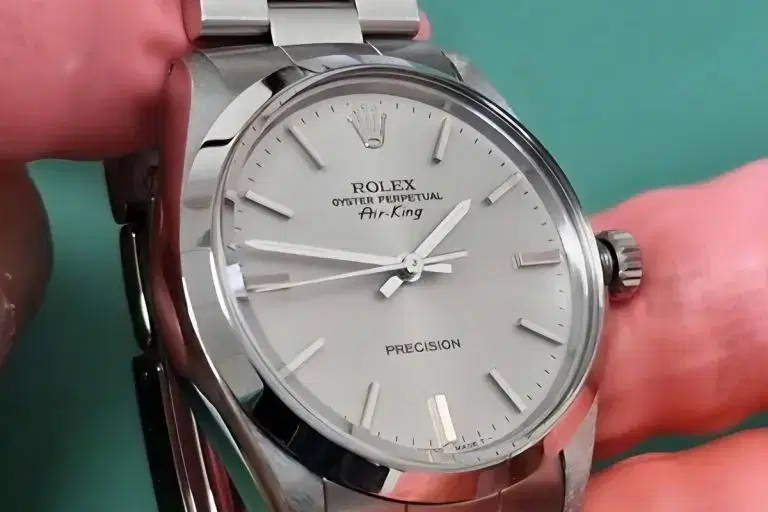
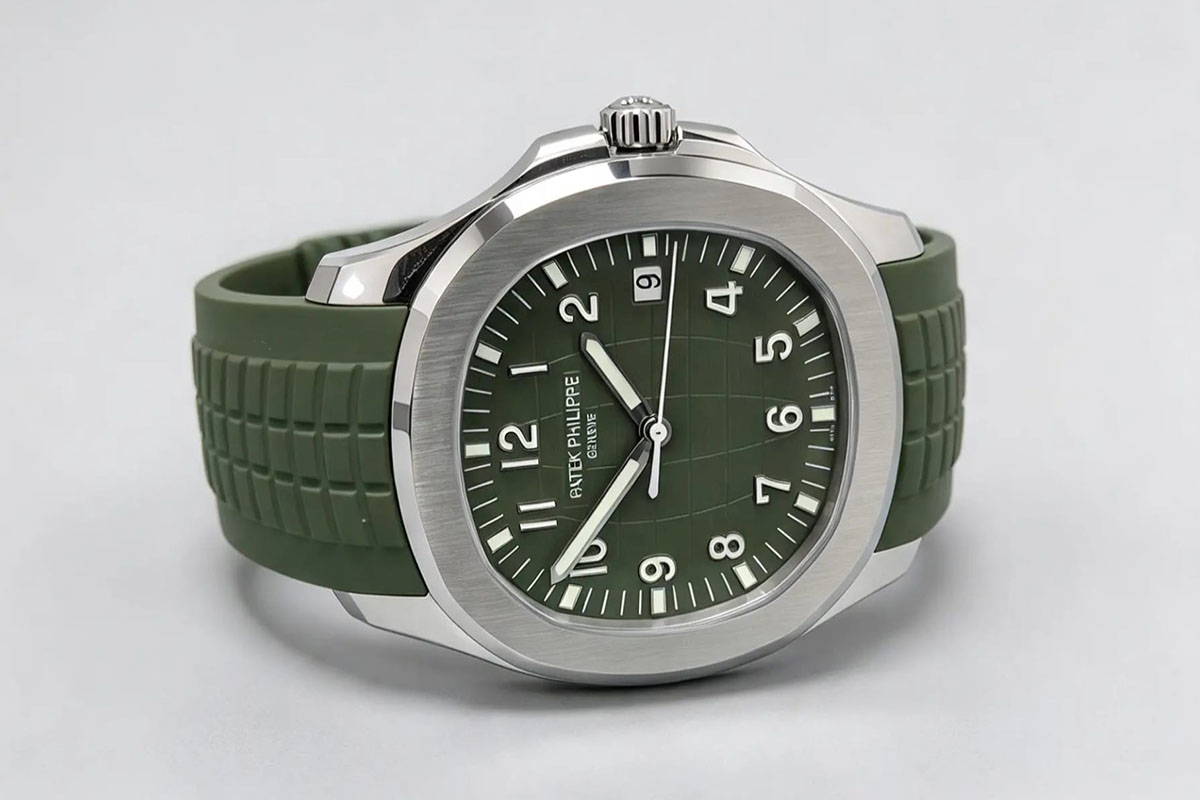
Avoid falling victim to sophisticated fake watch scams, often called “super fakes”. In this article we’ll cover five critical red flags, from weight discrepancies to imperfect dial printing, that reveal whether your luxury timepiece is a genuine investment or a clever counterfeit.
The global market for pre-owned luxury timepieces has never been more vibrant. However, the rise in demand has coincided with an influx of highly sophisticated counterfeit timepieces, often referred to in enthusiast circles as “super fakes.” These replicas have evolved past the poorly printed, lightweight imitations of the past. Today, even seasoned buyers can be caught off guard by high-grade clones. As a workshop dedicated to precision repair and authentication, we regularly inspect timepieces to verify their lineage. If you are shopping on the secondary market or verifying a recent acquisition, look out for these five critical red flags that point to a counterfeit luxury watch.
5 Signs to look for in a fake watch
1. Discrepancies in Weight and Materials
Luxury manufacturers like Rolex, Omega, and TAG Heuer construct their timepieces from premium, incredibly dense materials. Brands do not cut corners on metallurgy; they use high-grade alloys, heavy 18-carat gold, platinum, and exceptionally durable 904L stainless steel.
- The Red Flag: A genuine luxury mechanical watch feels substantial on the wrist. Counterfeiters often use cheaper, lighter base metals or hollow components wrapped in a thin plating to mimic solid gold or steel. If a watch feels unexpectedly light, or if the gold finish appears worn or mismatched between the links, it is highly likely to be a replica.
2. A Stuttering or Ticking Second-Hand Sweep
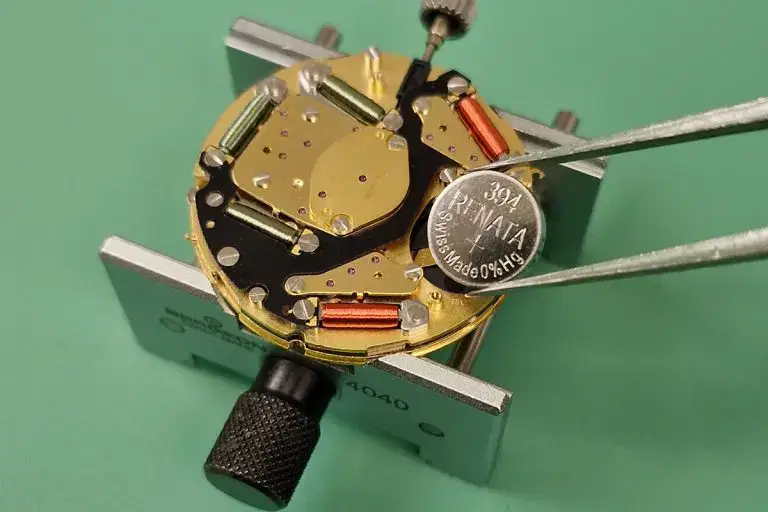
One of the most defining characteristics of a high-end mechanical movement is the fluid, sweeping motion of the second hand. This smooth motion is achieved because the mechanical movement beats at a high frequency, typically 28,800 vibrations per hour (VPh), translating to 8 micro-ticks per second.
- The Red Flag: If the second hand jumps sharply from one second to the next with a distinct “ticking” sound, the watch is powered by a cheap quartz movement rather than a masterfully crafted mechanical calibre. While a handful of luxury watches do feature quartz movements (such as older Omega Star Finder), a ticking second hand on a flagship mechanical model like a Rolex Submariner is an immediate sign of a fake watch.
3. Imperfections in Micro-Printing and Text
The dials of elite timepieces are manufactured under strict cleanroom conditions using advanced printing techniques. Text layout, spacing and font weight must meet exacting tolerances. Under magnification, every line should look razor-sharp, uniform, and entirely free of bleeding.
- The Red Flag: When inspected under a loupe or macro lens, counterfeit dials regularly expose flaws. Look closely for uneven spacing between words (misalignments), paint bleeding at the edges of letters, or inaccurate font styles. Watch for errors in the text itself, or unevenly applied luminous material on the hour markers.
4. Flaws in the Crystal and the Cyclops Lens
Luxury watches utilize scratch-resistant sapphire crystal to protect the dial. In the case of Rolex models, the signature “Cyclops” magnification lens is placed directly over the date aperture to enhance readability.
- The Red Flag: A genuine Rolex Cyclops lens magnifies the date precisely 2.5 times, causing the numeral to cleanly fill the window. It also features an anti-reflective coating that keeps the date sharp from multiple viewing angles. Counterfeit versions often feature flat glass with weak magnification (typically 1.5x or less), leaving the date looking small, off-centre, or obscured by heavy glare.
5. Inconsistencies with the Serial Number and Markings
Every luxury watch leaves the factory stamped with unique identifiers, including serial and reference numbers. Authentic manufacturers engrave or etch these markings with exceptional depth and clarity.
- The Red Flag: Counterfeiters often lightly etch or laser-print serial numbers onto the case back or between the lugs. These shallow markings can appear faint, uneven, or easy to scratch away. Furthermore, counterfeit operations frequently mass-produce the exact same serial number across thousands of replica watches. A quick online check or a cross-reference with a brand registry can instantly reveal if a serial number has been blacklisted or repeatedly flagged.
Protecting Your Investment
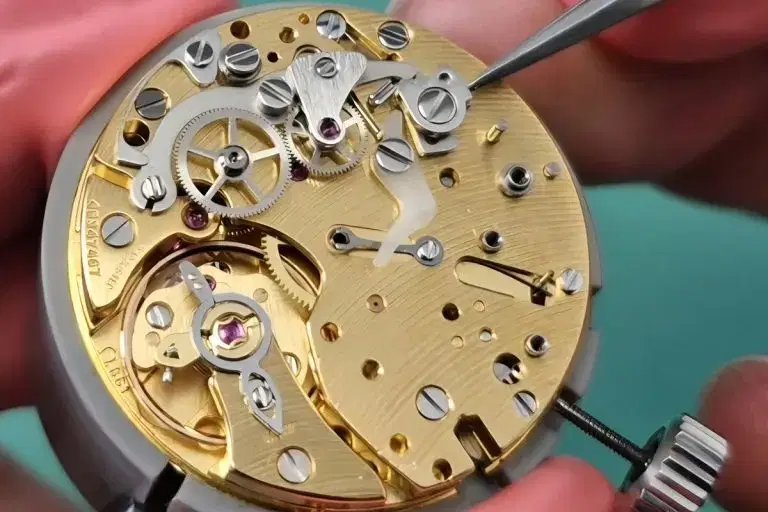
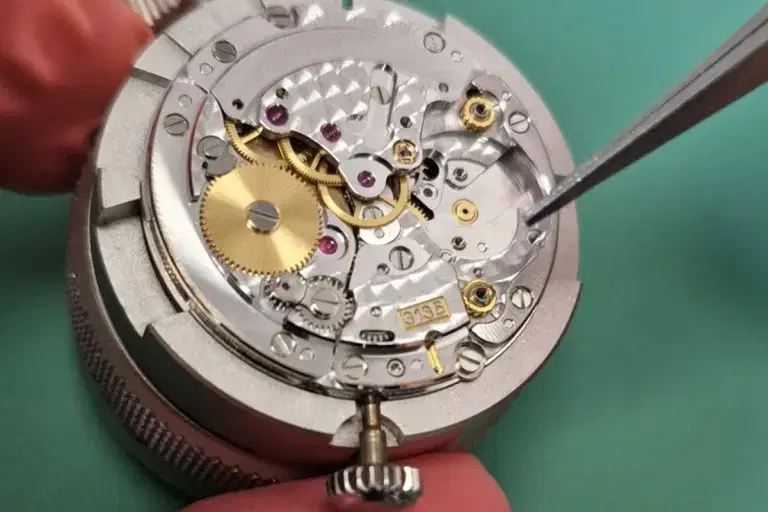
While these five indicators serve as an excellent baseline defence, “super-fakes” can occasionally replicate many aesthetic details with alarming accuracy. True verification requires looking past the dial and casing. Opening the case back allows an experienced watchmaker to scrutinise the movement architecture, balance wheel, and specific calibre finishing marks that replica factories simply cannot duplicate economically. Here at Prestige Time Services, we have seen an increasing number of “super-fake” calibre fake watch specimens in the workshop recently, they are getting harder for even our highly trained watchmakers to spot! Click here to see a recent video from our YouTube channel that we have made about a “super-fake!”