Rolex has implemented its annual price adjustment for 2026, with UK increases averaging around 5%. Steel models rise modestly, while gold watches see higher hikes.
As the new year begins, Rolex has once again adjusted its retail prices, a tradition that typically occurs in January. For UK buyers, the changes effective from 1 January 2026 reflect an average increase of approximately 5%, according to industry analyses from sources like WatchPro and Oracle Time. This is slightly lower than the 7% average seen in the US, where additional factors like import tariffs play a role.
Why the Price Rise?
The adjustments are driven by several factors:
- Record-high gold prices, significantly impacting precious metal models.
- Global inflation and rising production costs.
- Efforts to harmonise pricing across markets, including absorbing some effects from US tariffs on Swiss imports.
Gold and two-tone (Rolesor) models bear the brunt, with increases often reaching 6-6.5%, while stainless steel professional watches see more restrained rises around 4-5%.
Impact on Popular Models in the UK
- Stainless steel icons like the Submariner have risen from around £8,100 to £8,450 (approx. 4.3%).
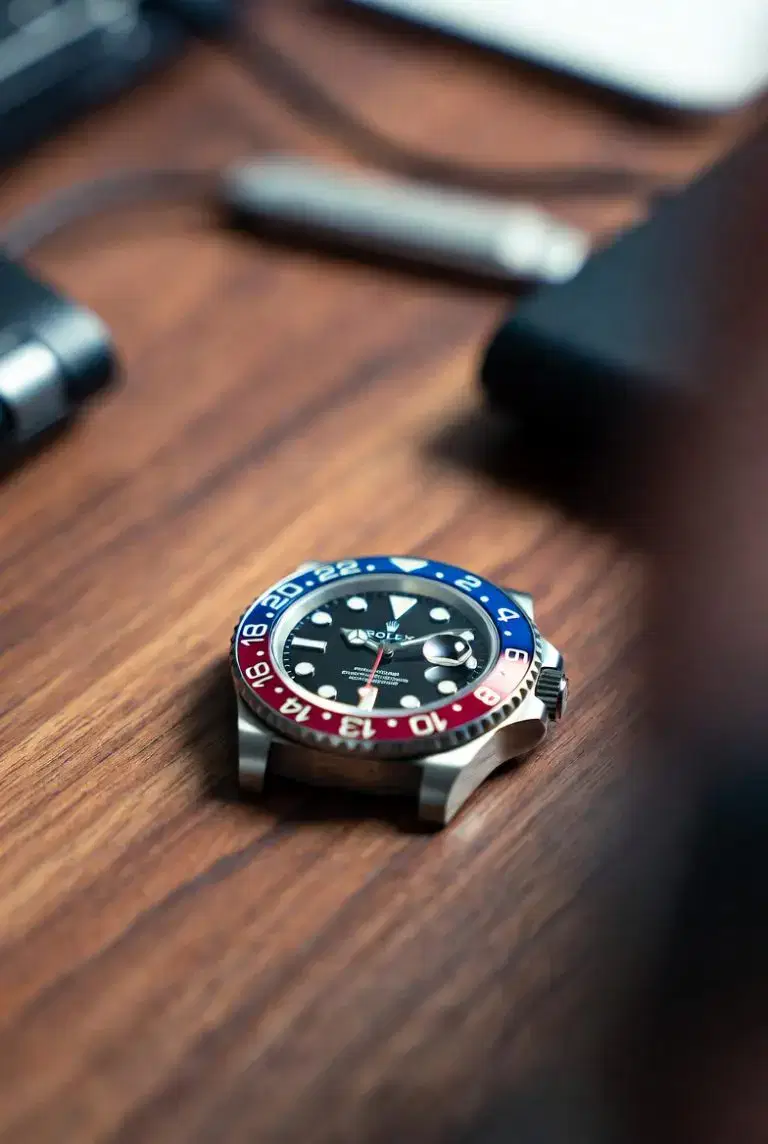
- Other steel sports models, such as the GMT-Master II and Explorer, follow similar modest patterns.
- Precious metal pieces, including Day-Date and certain Daytona variants, experience steeper adjustments to account for material costs.
These changes continue Rolex’s strategy of gradual premium positioning, ensuring the brand remains a symbol of enduring value.
Advice for UK Buyers
If you’ve been considering a purchase, acting through an Official Rolex Retailer sooner rather than later could secure current pricing—though availability, especially for steel sports models, remains challenging with ongoing waitlists.
Rolex’s annual adjustments are nothing new, but they underscore the brand’s strong market demand. For the latest official details, visit your local authorised dealer.